The world of gaming has undergone a significant transformation in recent years, with advancements in technology and innovative game design redefining the way we interact with virtual worlds. As we delve into this new era of immersive experiences, it’s essential to explore the key factors driving this revolution and what it means for gamers and the industry as a whole. One of the primary catalysts for this shift is the rise of next-generation consoles and high-performance gaming PCs. These powerful machines have enabled developers to create stunningly detailed environments, complex characters, and engaging storylines that draw players in and refuse to let go. The increased processing power and memory have also led to the development of more sophisticated artificial intelligence, allowing for more realistic NPC interactions and dynamic gameplay mechanics. Furthermore, the growing importance of virtual reality (VR) and augmented reality (AR) technologies is pushing the boundaries of immersion, providing gamers with unparalleled levels of engagement and interaction. As VR and AR continue to evolve, we can expect to see even more innovative applications of these technologies, from fully immersive VR experiences to interactive AR overlays that blur the lines between the physical and digital worlds. Another critical aspect of this revolution is the rise of cloud gaming and game streaming services. These platforms have made it possible for gamers to access a vast library of titles from anywhere, at any time, without the need for expensive hardware or lengthy downloads. This shift towards cloud-based gaming has also enabled developers to focus on creating more complex and engaging experiences, rather than worrying about the technical limitations of individual devices. In addition to these technological advancements, the gaming industry has also seen a significant increase in the importance of community and social interaction. Online multiplayer modes, social media groups, and streaming platforms have created new avenues for gamers to connect, share, and collaborate, fostering a sense of belonging and camaraderie that was previously unheard of. As the gaming landscape continues to evolve, it’s essential to consider the potential implications of these changes. Will the rise of cloud gaming and game streaming services lead to a decline in traditional console sales? How will the increasing importance of VR and AR technologies impact the way we design and interact with games? And what role will community and social interaction play in shaping the future of the gaming industry? While it’s impossible to predict the future with certainty, one thing is clear: the gaming industry is on the cusp of a revolution, and the next few years will be pivotal in shaping the course of this evolution. As gamers, we have a unique opportunity to be a part of this journey, to shape the future of the industry, and to experience the thrill of discovery that comes with exploring new and uncharted territories. So, buckle up, gamers, and get ready to embark on a journey that will take you to new heights, challenge your perceptions, and redefine the very notion of what it means to be a gamer.

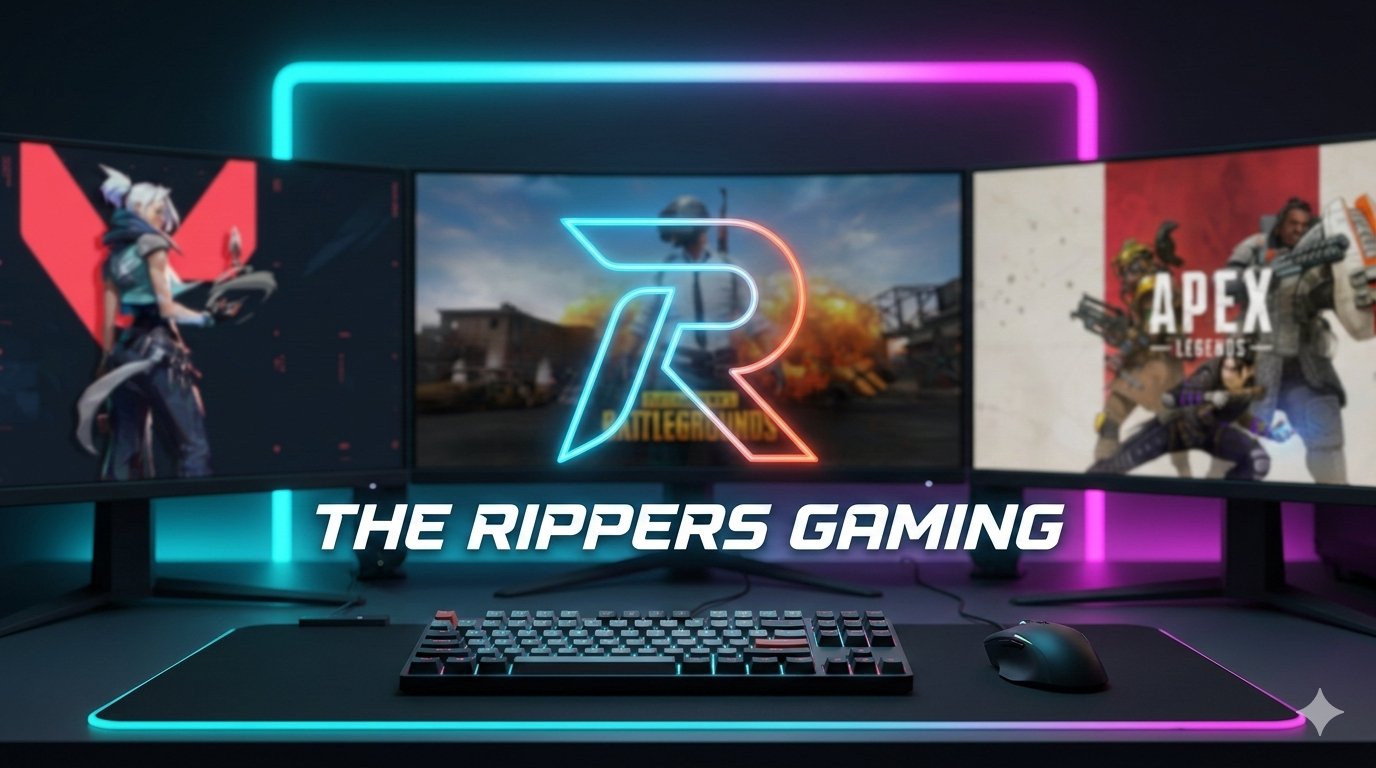
The Rippers Gaming
Elite Gaming Community
The Rippers Gaming
Elite Gaming Community