The world of gaming has undergone a significant transformation in recent years, with the rise of immersive experiences that transport players to new and exciting worlds. This shift has been driven by advances in technology, including the development of virtual and augmented reality platforms, as well as improvements in graphics and gameplay mechanics. As a result, gamers are now able to engage with their favorite games in ways that were previously unimaginable, with many titles offering rich, interactive environments that simulate the thrill of exploration and discovery. One of the key drivers of this trend has been the increasing popularity of open-world games, which provide players with the freedom to roam and explore vast, beautifully rendered landscapes. These games often feature complex storylines, engaging characters, and a wide range of activities and side quests, making them incredibly engaging and immersive. The impact of immersive experiences on the gaming industry cannot be overstated, with many developers now focusing on creating games that prioritize player engagement and interaction. This has led to the development of new business models, such as games-as-a-service, which provide players with ongoing content updates and expansions, keeping them engaged and invested in the game world for months or even years after the initial release. The rise of immersive experiences has also had a significant impact on the way that games are marketed and promoted, with many developers now using social media and influencer marketing to create buzz and excitement around their titles. By leveraging these channels, developers can build a sense of community and shared experience around their games, which can help to drive player engagement and loyalty. In addition to the impact on the gaming industry, immersive experiences are also having a profound effect on popular culture, with many games now being recognized as a legitimate form of artistic expression. This shift in perception has been driven in part by the increasing sophistication and complexity of games, which are now often compared to films and literature in terms of their narrative depth and emotional resonance. As the gaming industry continues to evolve and grow, it will be exciting to see how immersive experiences continue to shape and define the medium. With the rise of new technologies and innovations on the horizon, it is likely that we will see even more immersive and engaging experiences in the future, further blurring the lines between games and reality. The implications of this trend are far-reaching, with potential applications in fields such as education, healthcare, and entertainment. As gamers, we are fortunate to be living in a time of such rapid innovation and advancement, and it will be exciting to see how the industry continues to push the boundaries of what is possible. In conclusion, the rise of immersive experiences is revolutionizing the gaming landscape, providing players with new and exciting ways to engage with their favorite games. As the industry continues to evolve and grow, it will be important to stay tuned for the latest developments and innovations, as they are likely to have a significant impact on the future of gaming. With the increasing popularity of immersive experiences, it is clear that the gaming industry is on the cusp of a new era of innovation and growth, one that will be shaped by the creativity and imagination of developers and players alike. As we look to the future, it will be exciting to see how immersive experiences continue to shape and define the medium, and what new and exciting developments are on the horizon.

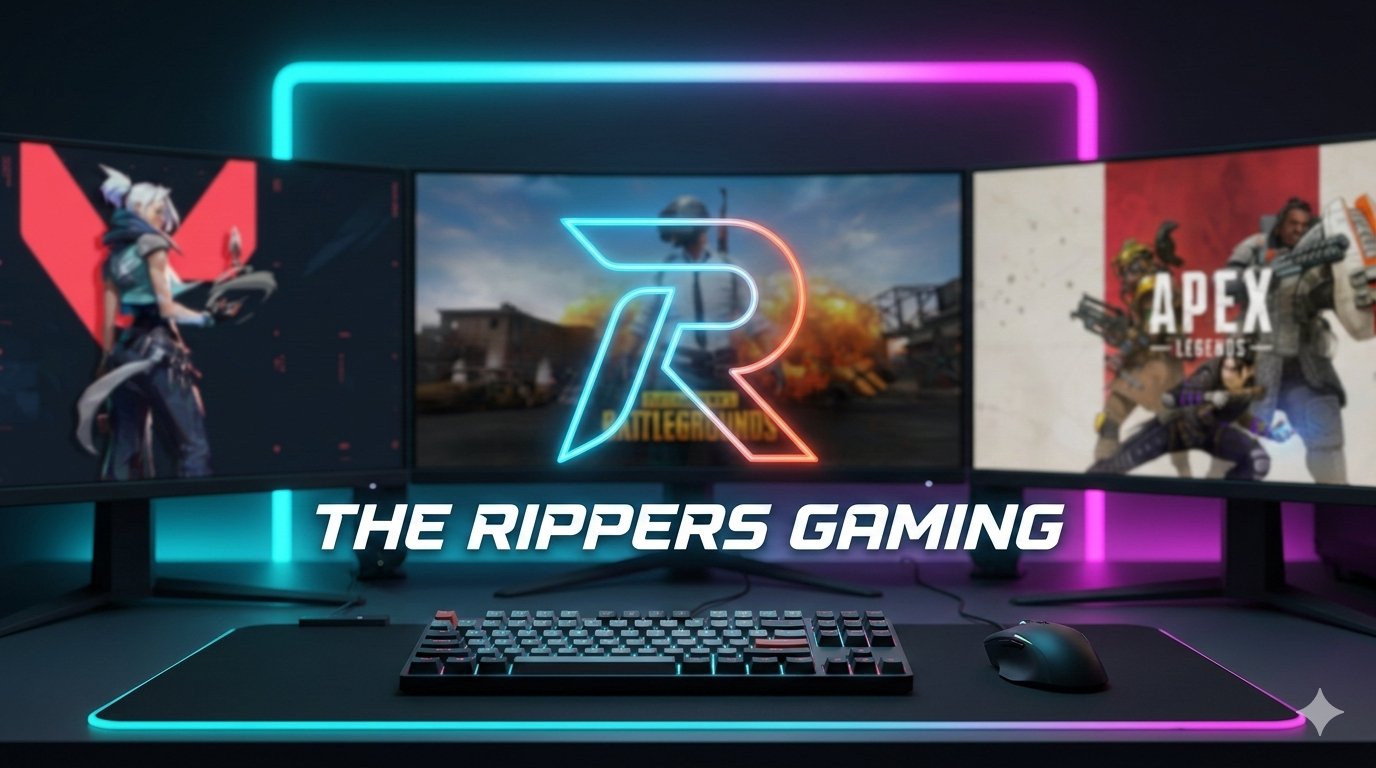
The Rippers Gaming
Elite Gaming Community
The Rippers Gaming
Elite Gaming Community