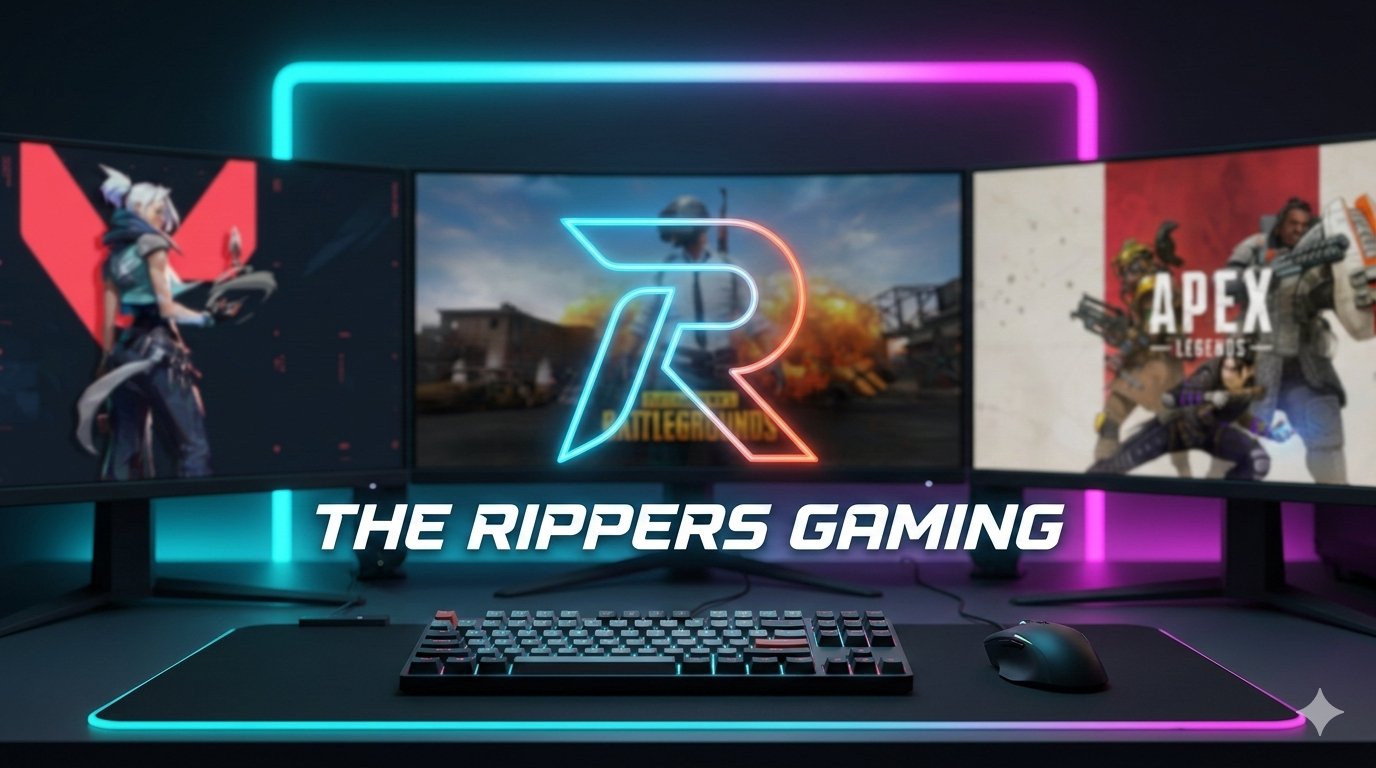
The world of gaming has undergone a significant transformation in recent years, with the advent of cutting-edge technologies that have redefined the way we interact with virtual environments. The proliferation of immersive experiences has been a major driving force behind this revolution, offering players unparalleled levels of engagement and realism. In this article, we’ll delve into the factors that have contributed to the rise of immersive gaming and explore the impact it’s having on the industry as a whole.
One of the primary catalysts for the growth of immersive gaming has been the development of advanced hardware and software solutions. The introduction of high-performance graphics cards, sophisticated physics engines, and realistic sound design has enabled developers to craft incredibly detailed and interactive worlds. These technological advancements have, in turn, paved the way for the creation of more complex and immersive game mechanics, such as dynamic simulations, destructible environments, and advanced AI systems.
The impact of immersive gaming can be seen in the way it’s changing the way we experience and interact with games. Players are no longer simply passive observers; they’re now active participants in the gaming process, with the ability to shape and influence the world around them. This shift towards greater interactivity has led to the development of new genres and gameplay styles, such as virtual reality (VR) and augmented reality (AR) experiences, which are redefining the boundaries of what’s possible in the world of gaming.
Another key factor that’s driving the growth of immersive gaming is the increasing importance of community and social interaction. As gamers, we’re no longer content to simply play alone; we want to share our experiences with others, whether it’s through online multiplayer, social media, or live streaming. The rise of immersive gaming has led to the creation of new platforms and tools that facilitate social interaction, such as virtual reality chat rooms, online forums, and community-driven content creation.
The future of immersive gaming looks incredibly bright, with a wide range of exciting developments on the horizon. Advances in areas such as artificial intelligence, machine learning, and cloud computing are set to further enhance the gaming experience, enabling developers to create even more sophisticated and realistic worlds. The growth of immersive gaming is also likely to have a significant impact on other industries, such as education, healthcare, and entertainment, as the technology and expertise developed in the gaming sector are applied to other fields.
In conclusion, the rise of immersive gaming has been a game-changer for the industry, offering players unparalleled levels of engagement, realism, and interactivity. As technology continues to evolve and improve, we can expect to see even more innovative and immersive experiences emerge, further blurring the lines between the physical and virtual worlds. Whether you’re a hardcore gamer or just a casual player, one thing’s for sure: the future of gaming has never looked more exciting.