The world of gaming is on the cusp of a revolution, with groundbreaking developments and unprecedented innovations that promise to redefine the very fabric of our beloved hobby. As we embark on this extraordinary journey, it’s essential to acknowledge the profound impact that these advancements will have on the gaming community, and the unparalleled excitement that awaits us on the horizon. In this article, we’ll delve into the uncharted territories of the gaming universe, exploring the latest trends, technological marvels, and genre-defining experiences that are poised to reshape the industry. From the resurgence of classic gameplay mechanics to the dawn of new, immersive technologies, we’ll examine the key factors that are driving this revolution and what it means for gamers everywhere. The gaming landscape is evolving at an incredible pace, with developers continually pushing the boundaries of what’s possible. The recent proliferation of cloud gaming, cross-platform play, and virtual reality (VR) has opened up new avenues for gamers to engage with their favorite titles, fostering a sense of community and camaraderie that transcends geographical boundaries. Moreover, the rise of independent game development has democratized the creation process, allowing fresh voices and innovative ideas to flourish, and resulting in a diverse array of unique, captivating experiences that cater to a wide range of tastes and preferences. One of the most significant factors driving this revolution is the resurgence of classic gameplay mechanics. Many modern games are incorporating elements from retro classics, such as precise platforming, challenging level design, and deep, rewarding combat systems. This nostalgia-tinged approach has proven to be a winning formula, as gamers clamor for experiences that recapture the magic of their childhood favorites. However, this isn’t simply a case of rehashing old ideas; rather, it’s about distilling the essence of what made those classic games so great and reimagining them for a modern audience. The incorporation of cutting-edge technologies, such as artificial intelligence (AI), machine learning, and physics engines, has enabled developers to craft worlds that are more immersive, interactive, and believable than ever before. These advancements have also paved the way for the creation of complex, dynamic systems that simulate real-world phenomena, allowing gamers to experiment, explore, and learn in ways that were previously unimaginable. The impact of these developments extends far beyond the realm of gaming itself, with potential applications in fields such as education, healthcare, and environmental science. As we look to the future, it’s clear that the gaming industry will continue to evolve at a breakneck pace, driven by the collective passion and creativity of developers, players, and enthusiasts alike. With the advent of new technologies, business models, and distribution channels, the possibilities for innovation and experimentation are endless, and the potential for growth, collaboration, and community-building has never been greater. In conclusion, the gaming landscape is on the threshold of a revolution, with unprecedented opportunities for innovation, creativity, and connection. As we embark on this extraordinary journey, it’s essential to recognize the profound impact that these developments will have on the gaming community and the world at large. With its unique blend of art, technology, and imagination, the world of gaming has the power to inspire, educate, and entertain, and we can’t wait to see what the future holds for this vibrant, dynamic, and ever-evolving medium.

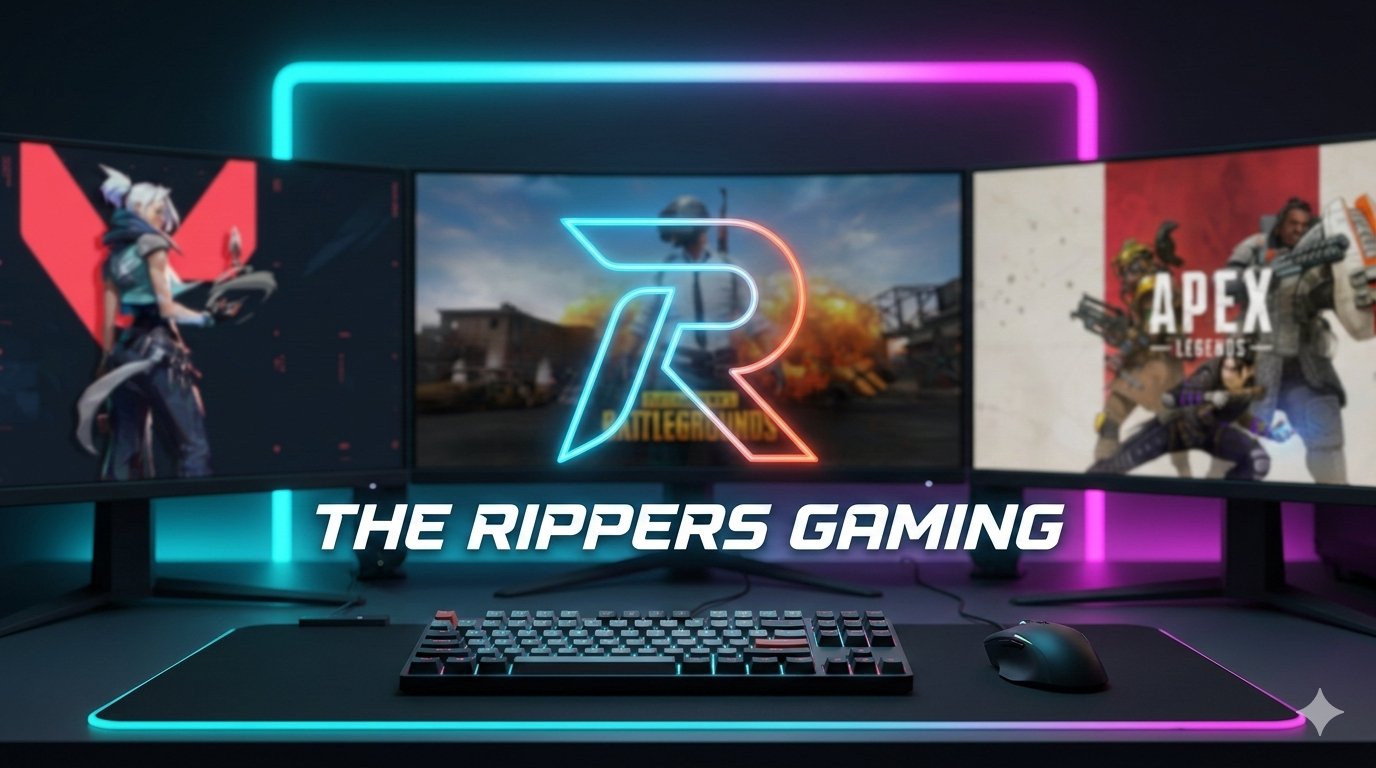
The Rippers Gaming
Elite Gaming Community
The Rippers Gaming
Elite Gaming Community