The world of gaming is on the cusp of a revolution, with unprecedented advancements in technology and innovative storytelling techniques. As we delve into the uncharted territories of the gaming universe, we find ourselves immersed in untold stories that blur the lines between reality and fantasy. In this vast expanse of digital wonder, gamers are no longer mere spectators; they are active participants, shaping the narrative and forging their own paths. The gaming industry has come a long way since its humble beginnings, and it’s exciting to think about what the future holds. With the rise of cloud gaming, artificial intelligence, and virtual reality, the possibilities are endless. Gamers can now experience immersive worlds, interact with complex characters, and engage in dynamic gameplay that simulates real-life experiences. But what does this mean for the future of gaming? How will these advancements change the way we play, interact, and connect with each other? As we explore these questions, we begin to realize that the gaming industry is not just about entertainment; it’s about creating a sense of community, fostering creativity, and pushing the boundaries of human imagination. One of the most significant trends in modern gaming is the shift towards online multiplayer experiences. Games like Fortnite, PlayerUnknown’s Battlegrounds, and Apex Legends have become cultural phenomena, attracting millions of players worldwide. These games offer a unique blend of competition, cooperation, and social interaction, allowing gamers to connect with each other in ways that were previously unimaginable. But online multiplayer games are not just about competition; they’re also about creativity, strategy, and teamwork. Players can work together to achieve common goals, share resources, and build complex structures that showcase their ingenuity. As we look to the future, it’s clear that online multiplayer games will continue to play a major role in shaping the gaming landscape. Another area that’s gaining significant attention is the rise of indie games. Independent game developers are now able to create high-quality games that rival those produced by major studios. Games like Cuphead, Hyper Light Drifter, and Celeste have become critically acclaimed, offering unique gameplay mechanics, stunning visuals, and thought-provoking narratives. The indie game scene is a testament to the power of creativity and innovation, demonstrating that even small studios can produce games that resonate with players worldwide. But what’s driving this trend towards indie games? One reason is the accessibility of game development tools and software. Platforms like Unity and Unreal Engine have made it possible for developers to create high-quality games without the need for massive budgets or large teams. This has democratized the game development process, allowing smaller studios to compete with major players. As we explore the world of gaming, we begin to realize that it’s not just about the games themselves; it’s about the people who create them, the communities that form around them, and the experiences that they offer. The gaming industry is a complex, dynamic ecosystem that’s constantly evolving, and it’s exciting to think about what the future holds. With the rise of new technologies, innovative storytelling techniques, and fresh perspectives, the possibilities are endless. As gamers, we’re no longer just passive consumers; we’re active participants, shaping the narrative and forging our own paths. And as we look to the future, it’s clear that the gaming industry will continue to revolutionize, inspire, and captivate us in ways that we never thought possible.

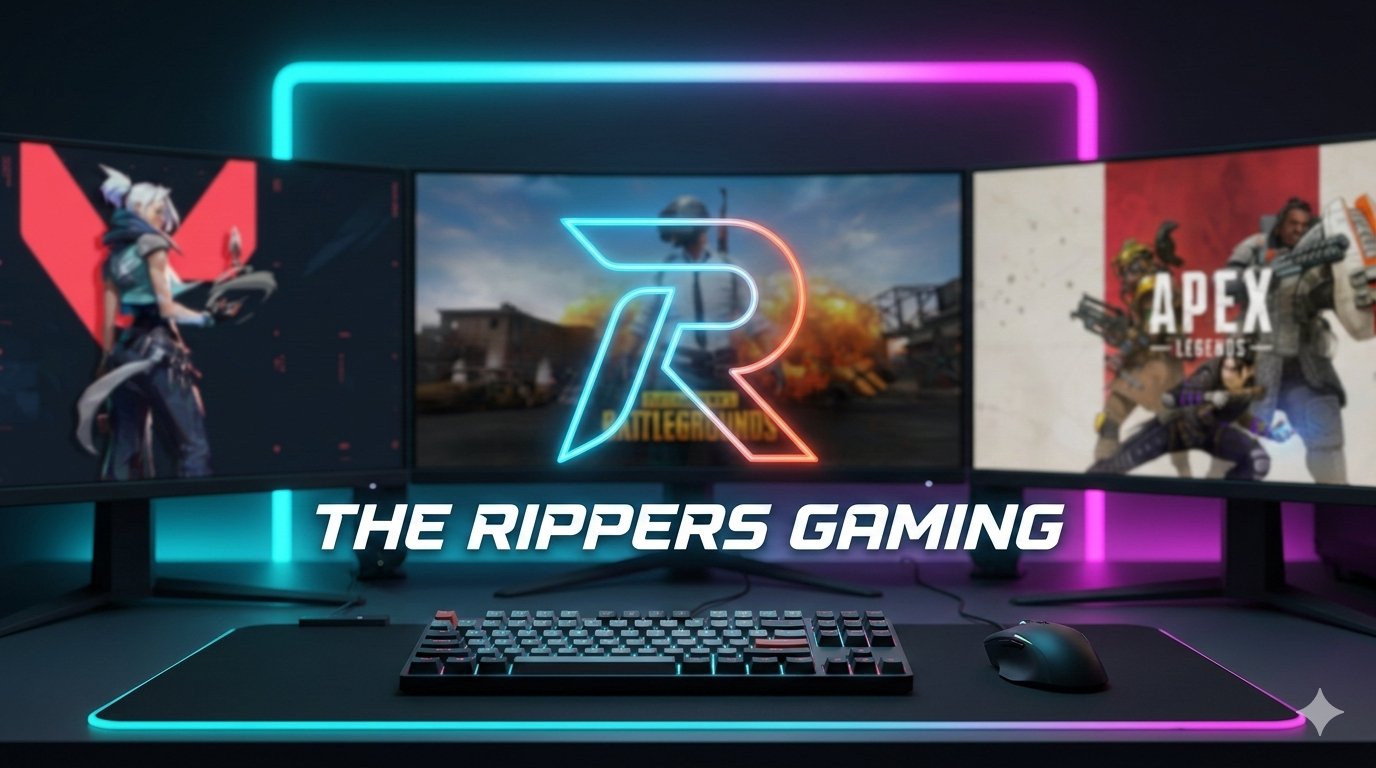
The Rippers Gaming
Elite Gaming Community
The Rippers Gaming
Elite Gaming Community